Different Types of Asia Lacquer Tree

Updated: Aug 10, 2025
Lacquer trees have been prized resources across East Asia for centuries, valued for their ability to produce natural resin used in coatings, crafts, and even traditional medicine. Depending on the region, several distinct types of lacquer trees are recognized, each with unique characteristics and applications.
The first and most well-known is the East Asian lacquer tree (Rhus verniciflua), native to Korea, China, and Japan. This species produces the traditional lacquer known as urushi, famous for its high urushiol content. The sap from Rhus verniciflua cures into a tough, water-resistant, and highly durable finish, making it ideal for luxury furniture, artworks, and architectural coatings. In Korea and Japan, sophisticated refining techniques have developed over centuries, allowing artisans to achieve a wide range of colors, textures, and finishes using this natural material.
The second is the Burmese lacquer tree (Melanorrhoea usitata or Gluta usitata), found primarily in Myanmar. The resin from this tree is called thitsi. Compared to East Asian lacquer, thitsi has a slower curing time and tends to be darker and thicker. However, it possesses excellent elasticity and flexibility, making it highly suitable for traditional Burmese lacquerware and furniture. Thitsi is particularly valued for creating intricate designs and durable surface finishes.
The third major type is the Vietnamese lacquer tree (Rhus succedanea), primarily grown in the northern and central highlands of Vietnam. Known locally as Sơn Ta, Vietnamese lacquer produces a softer, more flexible film compared to East Asian lacquer. Although it contains a lower urushiol content, it offers unique aesthetic properties, including a smoother texture and a slightly more matte finish. Sơn Ta is the cornerstone material for the renowned Vietnamese lacquer painting tradition (sơn mài), which has gained international acclaim for its rich artistic expression.
The quality of lacquer resin can vary significantly depending on factors such as climate, soil conditions, the age of the tree, and the harvesting and refining techniques employed. Therefore, when selecting natural lacquer products, it is essential to consider not only the country of origin but also the production practices and quality control behind the material.

Urushi Tree 
Urushi Tree 
Urushi Tree 
Urushi Tree 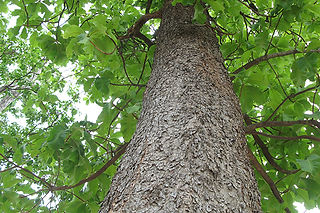
Urushi Tree


Comments